Gorilla Trekking and Safari Adventures in Uganda and Rwanda.
Book gorilla trekking and wildlife safaris in Uganda and Rwanda with local experts. Compare parks, permits and budgets, and start from a ready-made itinerary.
Trek Gorillas Uganda
Most people arrive at gorilla trekking already believing the hard part is the walk. It isn’t. The hard part is choosing where to go, which park, which season, which permit, and trusting the people who put the trip together. Trek Gorillas Uganda exists to make that second part easier.
We plan gorilla trekking and wildlife safaris across Uganda and Rwanda, from a single three-day permit run to a two-week combined circuit through both countries. Every itinerary on this site is built by people who know Bwindi’s four sectors and the Volcanoes National Park gate at Kinigi the way most people know their own neighborhood, not assembled from a template and dressed up for the web.
If you already know what you want, the itineraries below are real, day-by-day routes ready to adjust. If you’re still deciding between Uganda and Rwanda, or wondering whether five days is enough, keep reading. This page is built to answer exactly those questions.
Itineraries to Get You Started
Rather than asking you to build a trip from nothing, every category above links to complete, ready-to-adjust itineraries: day-by-day routes, what’s typically included, realistic budget guidance and the reasoning behind each choice. Each one is a genuine starting point, adjusted freely once you tell us your dates, budget and priorities, not a fixed package we expect you to fit yourself into.
Gorilla Trekking in Bwindi, Mgahinga and Volcanoes National Park
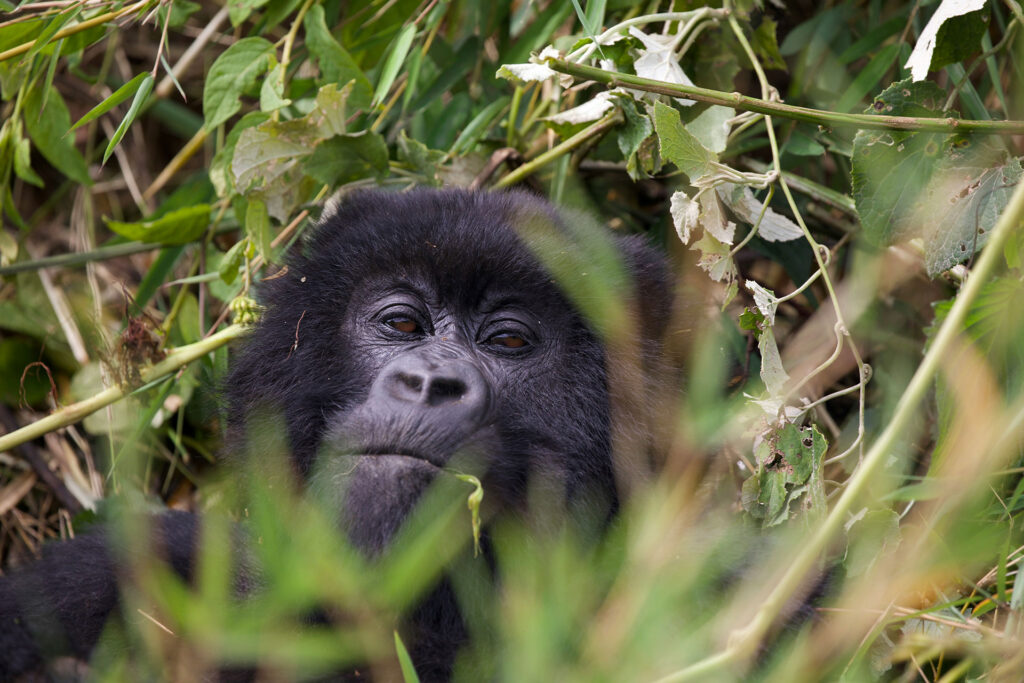
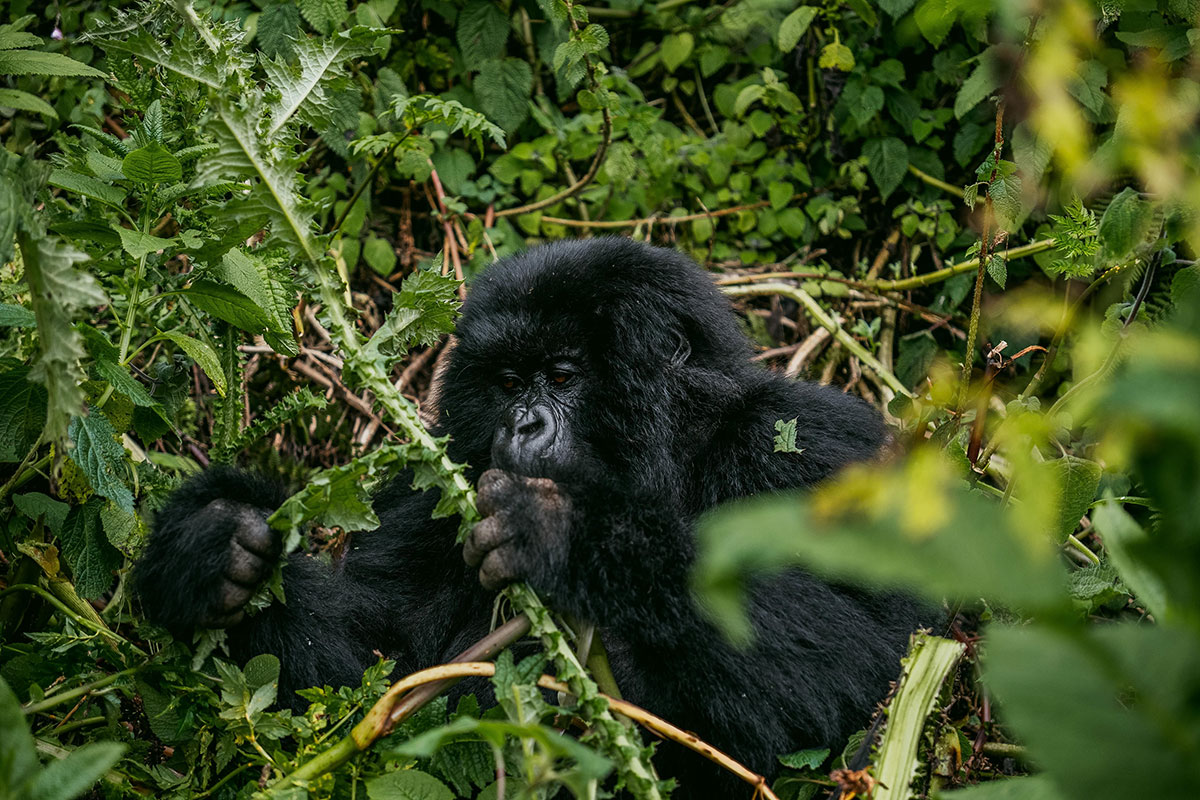
Mountain gorillas survive in exactly two places on the planet: the Virunga Massif, shared by Uganda, Rwanda and the Democratic Republic of Congo, and Bwindi Impenetrable Forest in southwestern Uganda. That’s the entire range. Everything else on this page sits in that fact’s shadow.
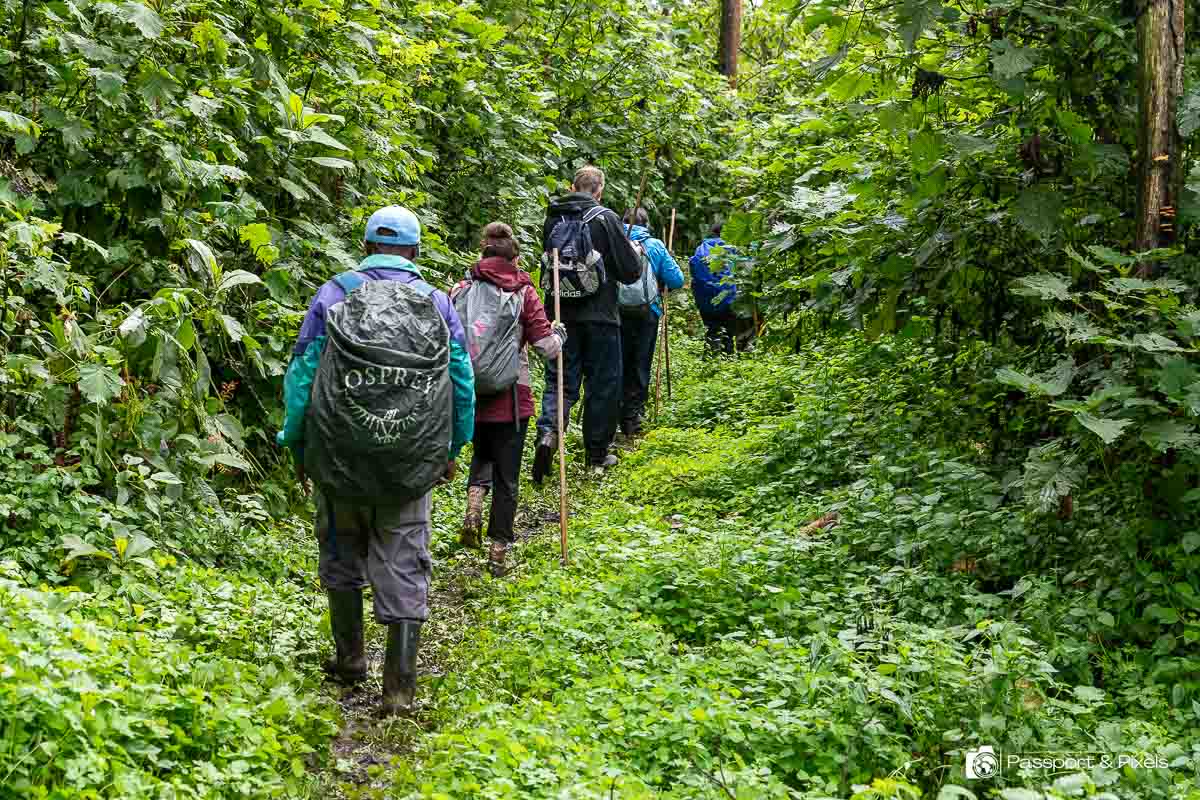
A trek itself runs the same basic shape wherever you do it: an early morning briefing, a walk that can last anywhere from thirty minutes to several hours depending on where the family nested the night before, and a strict one hour with the gorillas once rangers find them. Rangers and trackers set out ahead of the group each morning, following the previous evening’s nest location and fresh signs, so the walk you do is never a guess. What differs across parks and sectors is everything around that hour, the drive in, the terrain, the price, the crowd, which is exactly what our itineraries are built to help you weigh.
For travelers who want more time with a family than the standard hour allows, both countries offer a Gorilla Habituation Experience or its Rwandan equivalent, trading the guaranteed one hour for up to four with a family still being acclimatized to human visitors, on a much smaller daily permit allocation.
Uganda
In Uganda, Bwindi holds the larger share of the world’s mountain gorilla population, spread across four trekking sectors, Buhoma, Ruhija, Rushaga and Nkuringo, each with its own habituated families and its own character.
Rwanda
In Rwanda, Volcanoes National Park sits at the foot of the same Virunga volcanoes, a shorter drive from Kigali than Bwindi is from Entebbe, with gentler terrain and a higher permit price that reflects both the convenience and Rwanda’s tighter daily permit cap.
Top Destinations
- Rwanda
- Uganda
- Uganda
- Rwanda
- Rwanda
- Rwanda
- Uganda
- Uganda
- Uganda
Explore Uganda and Rwanda by Interest
Not every traveler wants the same trip, so we’ve built itineraries around what actually matters to different kinds of travelers rather than a single fixed template
Why Travelers Choose Trek Gorillas Uganda
Booking a gorilla trek from outside East Africa means trusting a company you’ve never met with a permit that can’t be refunded and a schedule that can’t slip. That’s a real leap, and we don’t expect anyone to take it on faith.
What we offer instead is specificity. Ask which Bwindi sector suits a traveler with average fitness and we’ll tell you Buhoma or Ruhija, not “it depends.” Ask what happens if a flight is delayed on trekking morning and we’ll walk you through exactly how rangers handle it. Ask whether Uganda or Rwanda makes more sense for your dates and budget, and we’ll give you a straight answer, even when it points you toward a cheaper trip than the one we’d earn more from.
What we do for you
We keep group sizes small by design, work with lodges we’ve actually stayed in, and handle permit booking directly with the Uganda Wildlife Authority and the Rwanda Development Board rather than through a chain of resellers. None of that is unique in the abstract, plenty of operators say something similar, but it’s the standard we hold every itinerary on this site to.
- Direct permit booking with UWA and the Rwanda Development Board, not resold through a third party
- Small groups by default, and fully private vehicles where you want them
- Local guides who grew up near the parks they work in
- Honest advice on group-joining versus private trips, budget versus luxury, and Uganda versus Rwanda
- Support before, during and after your trek, not just up to the point of payment
What a Day of Gorilla Trekking Actually Feels Like
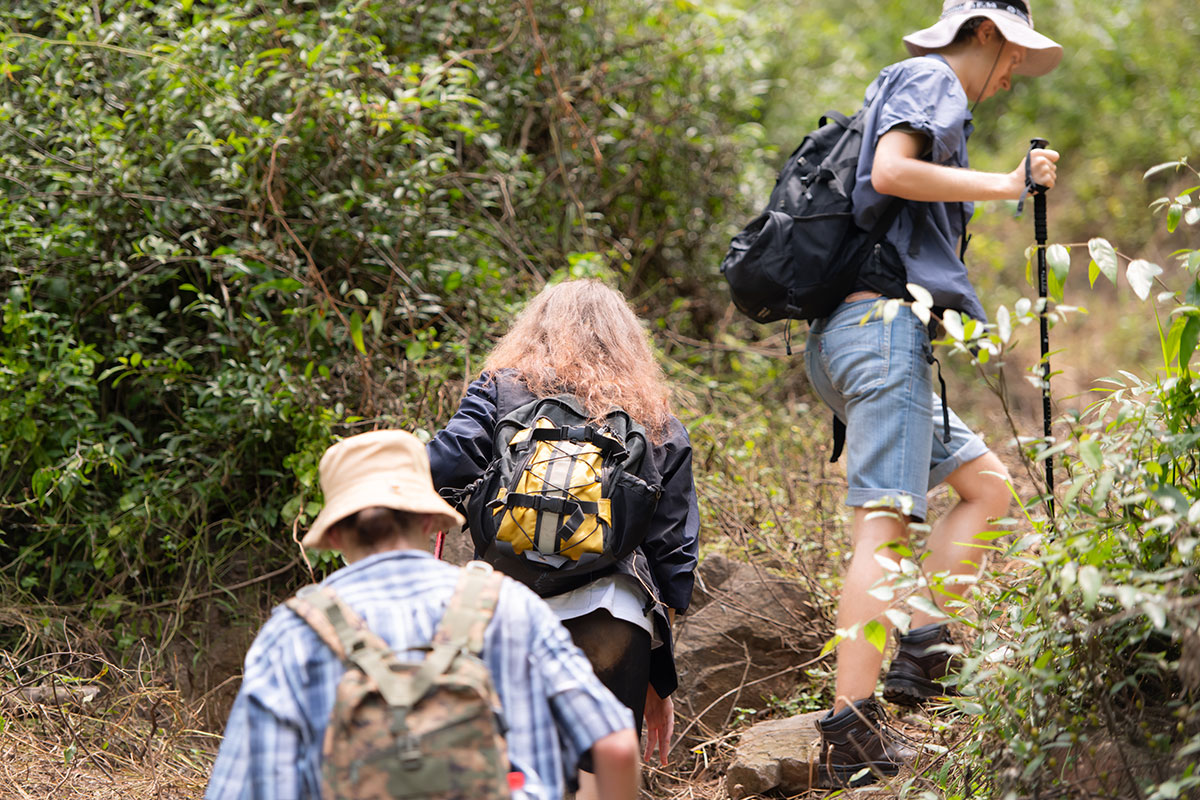
It’s worth describing plainly, because the version in most brochures skips the parts that actually matter on the day. You’ll be up before 6am, at a briefing point that feels more like a village meeting than a tour departure, with rangers reading out which family your group has been assigned to and a rough sense of how far yesterday’s trackers say they’ve moved.
The first thirty minutes to an hour is usually the hardest part physically, a steady uphill push through farmland or forest edge before the trail settles into a rhythm. Then, without much warning, a guide ahead will raise a hand, drop their voice to barely a whisper, and point into what looks like solid green wall. It rarely feels dramatic in the moment. It feels closer to being let in on something.
The hour that follows moves faster than it sounds. Most people spend the first few minutes simply staring, cameras forgotten, before remembering why they came. By the time the guide signals it’s over, the walk back down feels different than the walk up did, quieter, less about the destination.
Customized Tours.
Each of these has real, ready-built itineraries behind it rather than a placeholder page, with day-by-day routes, honest pricing guidance and the specific reasoning behind each choice. If none of them fit exactly, that’s fine too; every itinerary on this site is a starting point we adjust, not a fixed package.
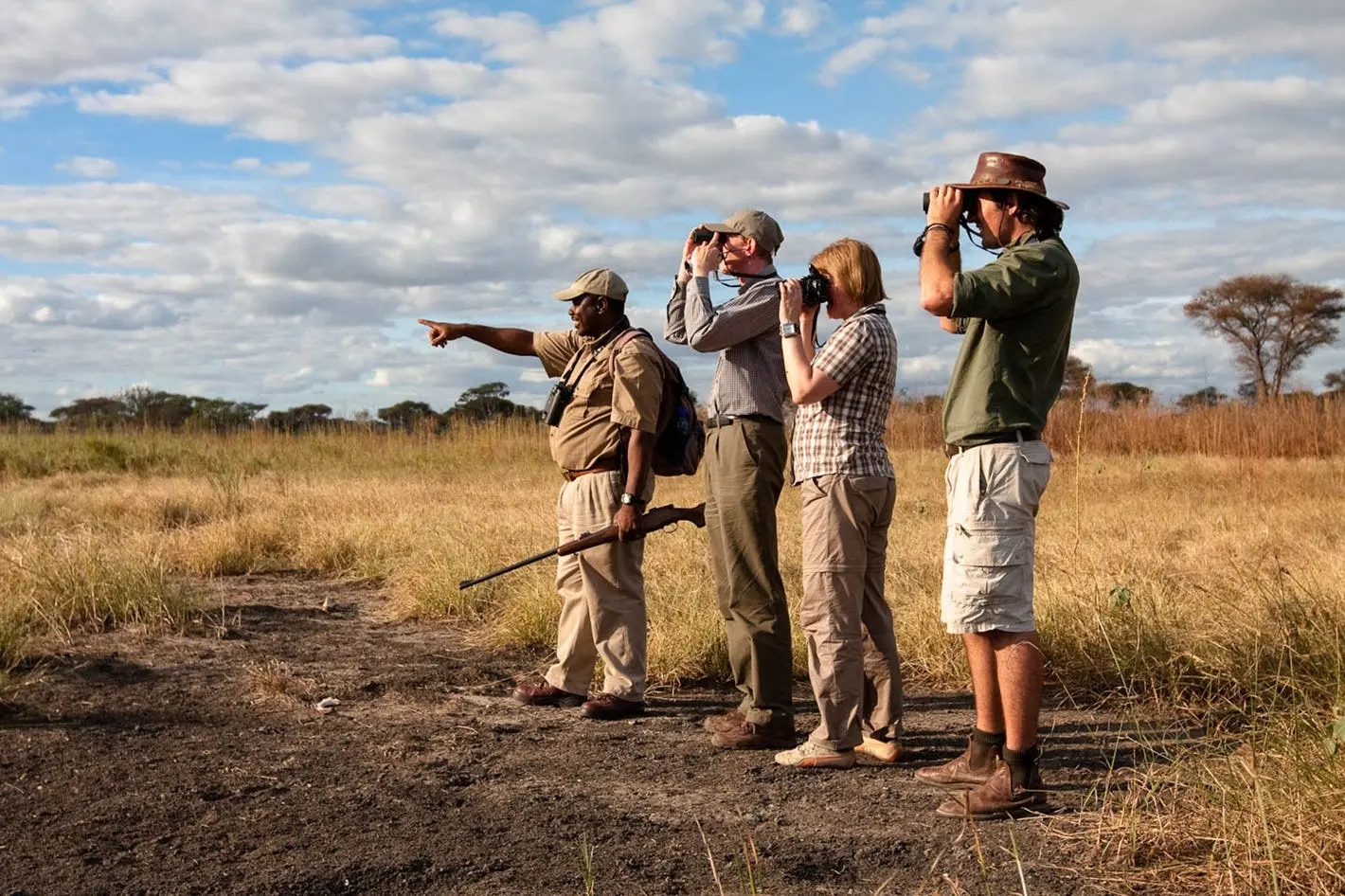
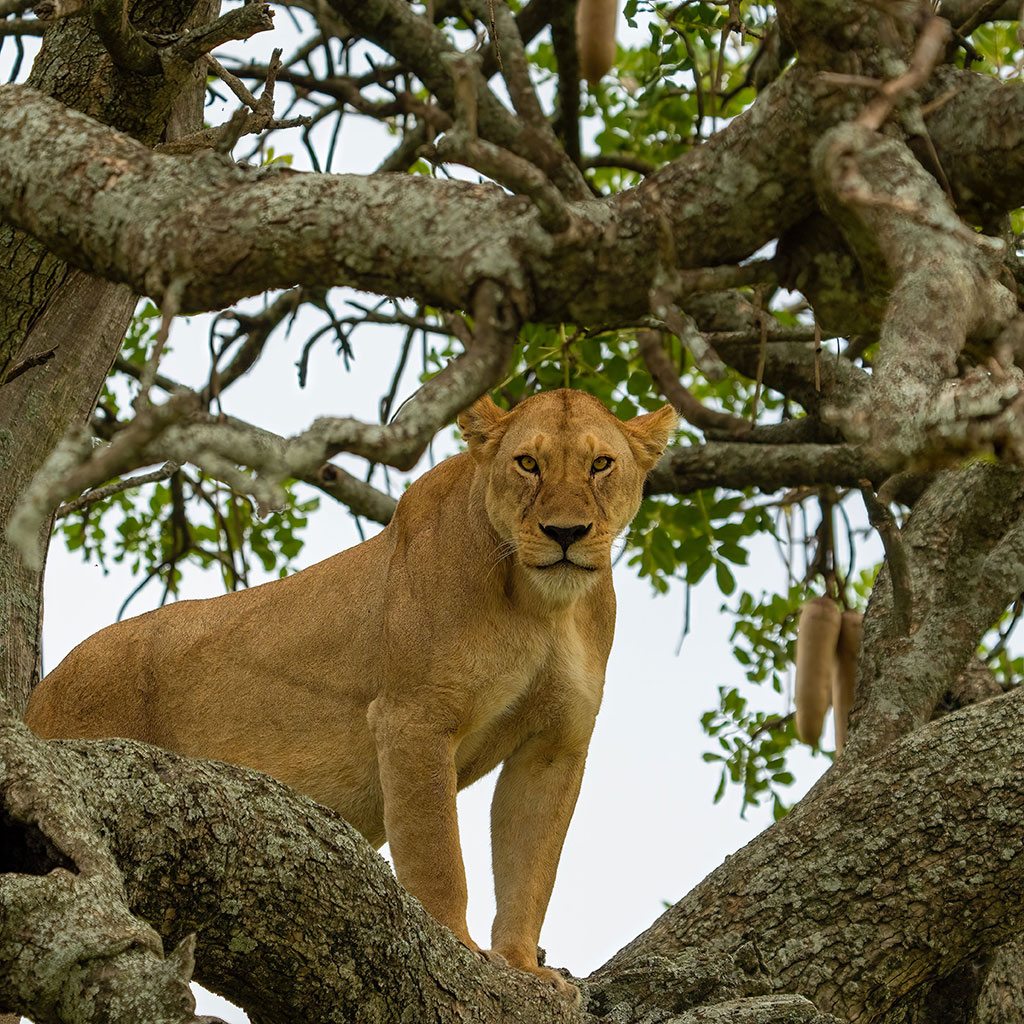
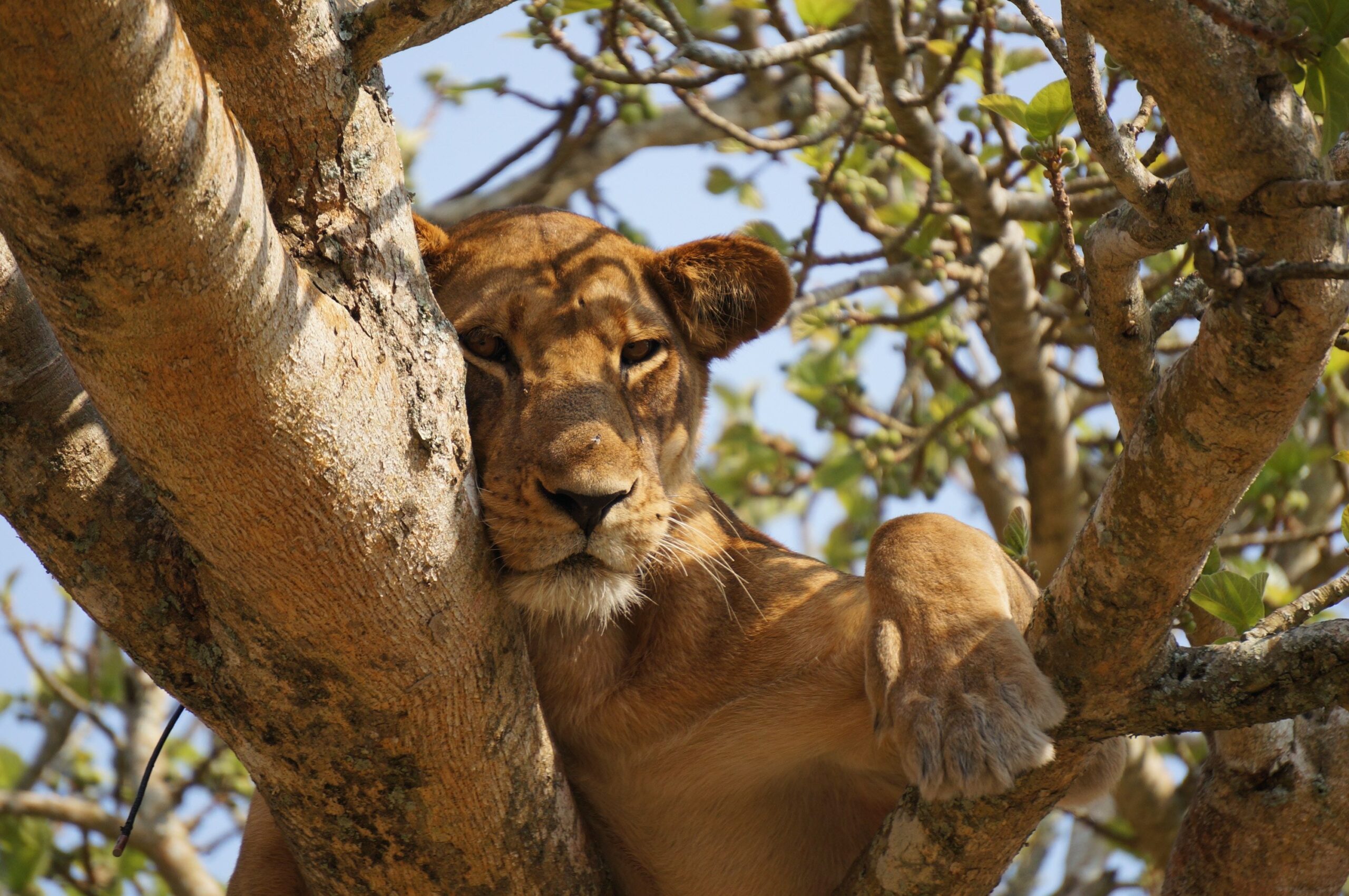
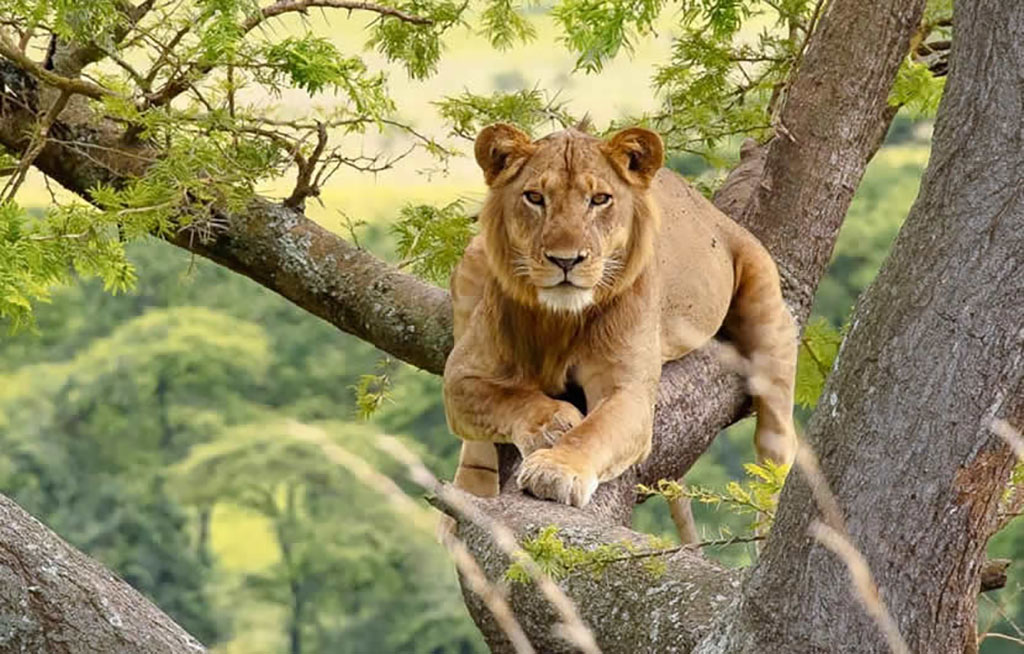
- Wildlife and Big Five safaris, for travelers chasing lion, elephant, buffalo, leopard and rhino across Uganda’s game parks
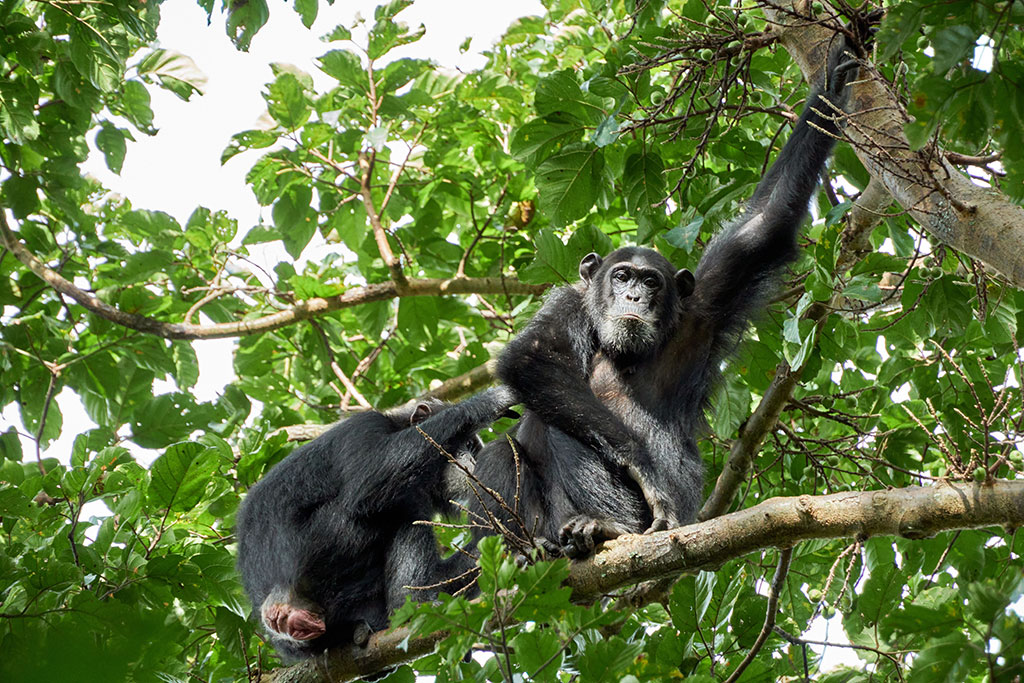
- Primate safaris, pairing Bwindi gorillas with Kibale chimpanzees for the full great ape experience
- Birding trips, built around the shoebill, Albertine Rift endemics and Uganda’s four-figure bird list
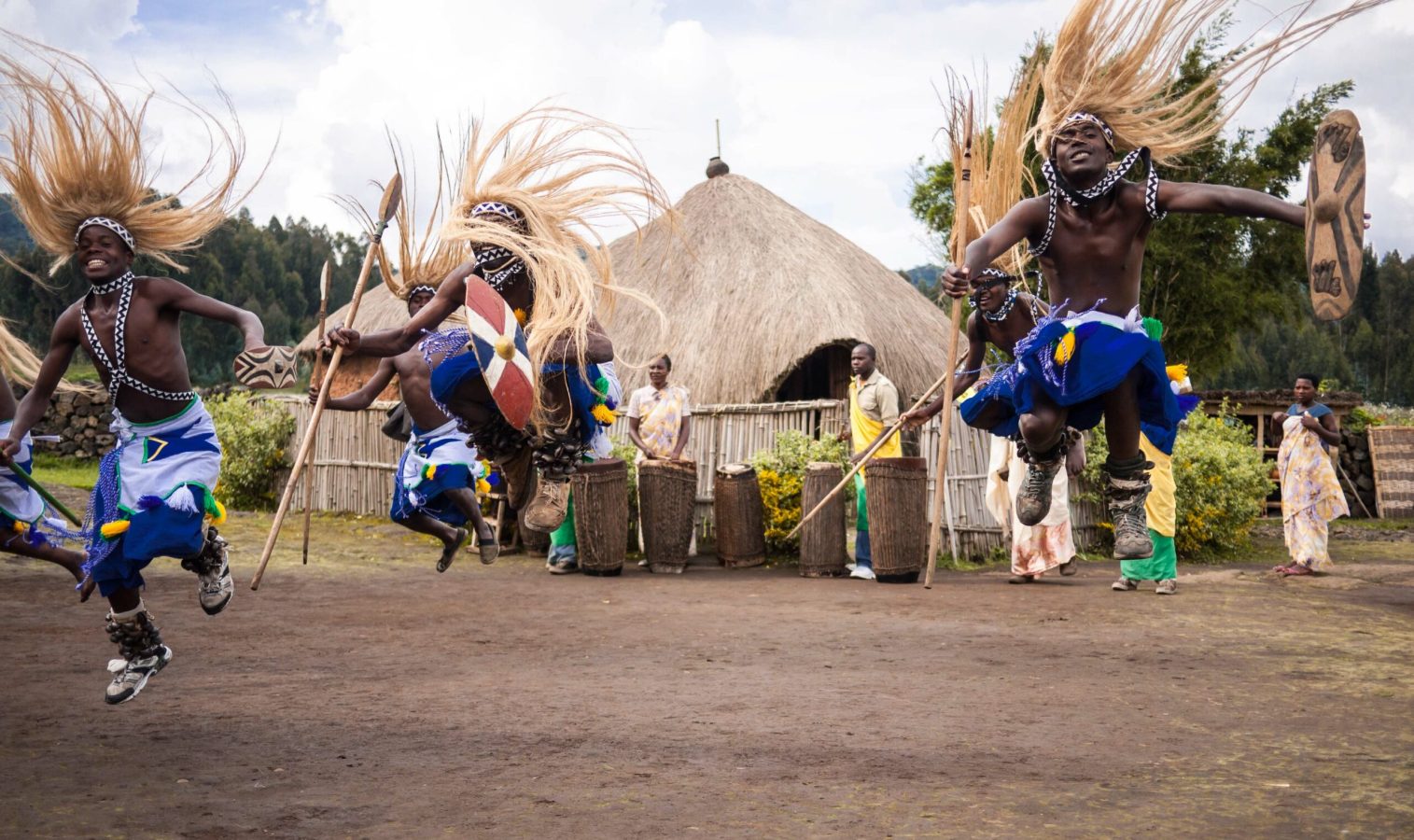
- Cultural and heritage tours, from the Buganda Kingdom to Rwanda’s genocide memorials and living traditions
- Honeymoon safaris, pacing a gorilla trek against genuine downtime at Lake Bunyonyi or Lake Kivu
- Solo and group-joining trips, sharing vehicle and guide costs on fixed, guaranteed departure dates
- Photography expeditions, timed around light rather than a standard tour schedule
- Budget, midrange, luxury and fly-in gorilla packages, the same trek at different comfort levels and paces
Best Time for Gorilla Trekking and Safaris
Gorilla trekking runs year-round in both countries, since permits are capped daily rather than seasonally, but the two dry seasons, June to September and December to February, keep forest trails firmer and are when most travelers choose to go.
The quieter shoulder seasons, March to May and October to November, bring lower accommodation prices in some cases and easier last-minute permit availability, at the cost of muddier trails and more rain during the trek itself. Wildlife viewing in the savanna parks follows a similar pattern: the dry season concentrates animals around permanent water sources like the Kazinga Channel, while the wet season brings lush scenery, dramatic skies and noticeably fewer other vehicles at each sighting.
Birders should note the opposite pull for one specific window: November through April brings Palearctic migrants through Uganda’s wetlands, adding real depth to an already long species list at sites like Mabamba Swamp.
There’s no single wrong time to visit. The right season depends on what you’re prioritizing, drier trails, lower costs or specific wildlife behavior, more than any fixed rule.
Responsible, Community-Based Tourism
Gorilla tourism only works long-term if the communities living alongside these parks see a direct, ongoing benefit from it, and that’s not a side note to how we operate, it’s close to the entire reason the model exists at all.
A meaningful share of every gorilla permit funds park management and community revenue-sharing programs in the districts bordering Bwindi and Mgahinga. Batwa cultural walks and Karamojong village visits, offered through several of our itineraries, are run in direct partnership with those communities on terms they set, not staged for a photo. Porters on the gorilla trek, almost always drawn from villages bordering the park, earn a wage that’s easy to overlook as “optional” but genuinely matters locally.
That funding model is also, in a fairly direct sense, why there are still mountain gorillas left to trek at all. Both countries’ gorilla populations have grown over the past two decades, a rare positive trend line for a critically endangered great ape, and permit revenue is a large part of what pays for the ranger patrols, veterinary monitoring and anti-poaching work behind that recovery.
None of this is unique to us specifically, it’s closer to the standard the legitimate side of this industry works toward, but we think it’s worth saying plainly rather than assuming travelers already know it.
Blogs & Insights

8 Things to Do in Uganda After Your Gorilla Trek
The gorilla trek itself is usually one morning of a much longer trip, yet plenty

Bwindi vs Mgahinga: Which Uganda Gorilla Park Should You Choose?
Most people planning a Uganda gorilla safari have heard of Bwindi Impenetrable National Park. Far

How Hard Is Gorilla Trekking in Uganda, Really?
We get some version of this question in almost every other email: am I fit
Frequently Asked Questions (Gorilla Trekking & Wildlife Safaris in Uganda and Rwanda)
Uganda’s standard gorilla permit costs meaningfully less than Rwanda’s, and pricing on both changes periodically, so we’d rather confirm the current figure directly than print a number here that’s gone stale by the time you read it. Beyond the permit, total trip cost depends heavily on accommodation level, budget, midrange or luxury, and whether you travel privately or on a group-joining departure that splits vehicle costs.
Reasonably fit, not athlete-level. Treks can run from thirty minutes to six or seven hours depending on where the gorilla family nested overnight, over uneven, sometimes muddy forest terrain. Porters are available at a modest cost to carry your bag and offer a hand on steeper sections, and a good number of travelers well into their sixties and seventies complete the trek successfully every year.
As early as you can, ideally three to six months ahead for peak season dates in June to September and December to February. Permits are capped at a fixed daily number per park, and popular sectors sell out well ahead of the date itself, especially around the December and Easter holiday periods.
Both countries have well-established, mature tourism industries built substantially around exactly this kind of travel, and large numbers of visitors trek safely every year. As with any international trip, sensible precautions apply, and we’re happy to talk through current travel advisories for your specific nationality before you book.
Not comfortably from Kampala, Bwindi is roughly eight to nine hours away by road, though a domestic flight to an airstrip near the park can turn it into a genuinely short trip. From Kigali, Volcanoes National Park is close enough, around two to three hours, that a very long single day is technically possible, though we’d generally recommend at least one night nearby.
A standard trek guarantees one hour with a fully habituated gorilla family once rangers locate them. The Habituation Experience, available in both countries under slightly different names, trades that guarantee for up to four hours with a family still being acclimatized to human visitors, on a permit allocation capped far lower than standard trekking.
Waterproof hiking boots with real ankle support, gardening gloves for gripping vegetation on steep sections, a light rain jacket regardless of season, and layers rather than one heavy jacket, since Bwindi’s temperature shifts noticeably between the trailhead and the forest interior. Long trousers tucked into socks help against biting ants and nettles far more than most first-time trekkers expect.
Most nationalities need a visa for both countries, though many travelers can apply online in advance or arrange one on arrival, and the East Africa Tourist Visa covers Uganda, Rwanda and Kenya on a single application for multi-country trips. Requirements vary by nationality and change periodically, so we’ll confirm exactly what applies to you once we know where you’re traveling from.
None of this needs to be figured out alone. If you already know roughly what you want, browse the itineraries built around it. If you’re still working out Uganda versus Rwanda, budget versus luxury, or how many days actually make sense, send us your travel window and we’ll turn it into a real, specific plan rather than another list of options. Gorilla permits move fast during peak months, so the earlier that conversation starts, the more choice you’ll have when it counts.
Affiliations