
Primates
Home » Things To Do » Primates
Primates of Uganda and Rwanda: Gorillas, Chimpanzees, Golden Monkeys and More
Pull a map of the world’s primate hotspots and two small, hilly countries sit near the top of almost every list: Uganda and Rwanda. Between them, this stretch of the Albertine Rift holds roughly half of the world’s remaining mountain gorillas, one of the highest primate densities recorded anywhere in Africa, and a supporting cast most travelers never even know to look for.
Why Uganda and Rwanda Lead the World in Primate Viewing
Mountain gorillas survive today in only two isolated populations on the planet, and both sit inside this shared Uganda-Rwanda-Congo landscape: the Virunga volcanoes and the Bwindi-Sarambwe forest block. Nowhere else can you trek them.
Layer onto that Kibale Forest’s chimpanzee density, the Virunga bamboo zone’s golden monkeys, and Nyungwe Forest’s troops of Angola colobus running several hundred strong, and the region stops being a gorilla destination with a few extras attached. It becomes one of the most complete primate-watching regions anywhere, Uganda alone recording around half of Africa’s primate species within its borders.
Mountain Gorilla Trekking: The Signature Experience
A gorilla trek starts with a briefing at park headquarters, usually around 7:30am, where rangers assign each group to a specific gorilla family based on where trackers located them the previous evening. The walk that follows can run anywhere from 45 minutes to seven hours through steep, often muddy forest, and once the family is found, a strict one-hour clock starts, no exceptions, no extensions.
That hour, spent a few meters from a silverback and his family going about an ordinary afternoon, is what the whole trip is usually built around.
Where to Trek Gorillas
Uganda offers two gorilla-trekking locations: Bwindi Impenetrable National Park, split across four trailheads at Buhoma, Ruhija, Rushaga and Nkuringo, and the smaller Mgahinga Gorilla National Park in the Virunga foothills. Rwanda’s gorillas live entirely in Volcanoes National Park, reached from the town of Musanze. Terrain and permit pricing differ between the two countries, but the gorillas, and the rules protecting them, are the same.
The Gorilla Habituation Experience
For travelers who want more than the standard hour, Bwindi’s Rushaga sector offers the Gorilla Habituation Experience: up to four hours with a gorilla family still being acclimatized to human presence, alongside the researchers and trackers doing that work. Only a small number of permits are issued each day, so this one books out faster than standard trekking.
Chimpanzee Trekking and the Habituation Experience
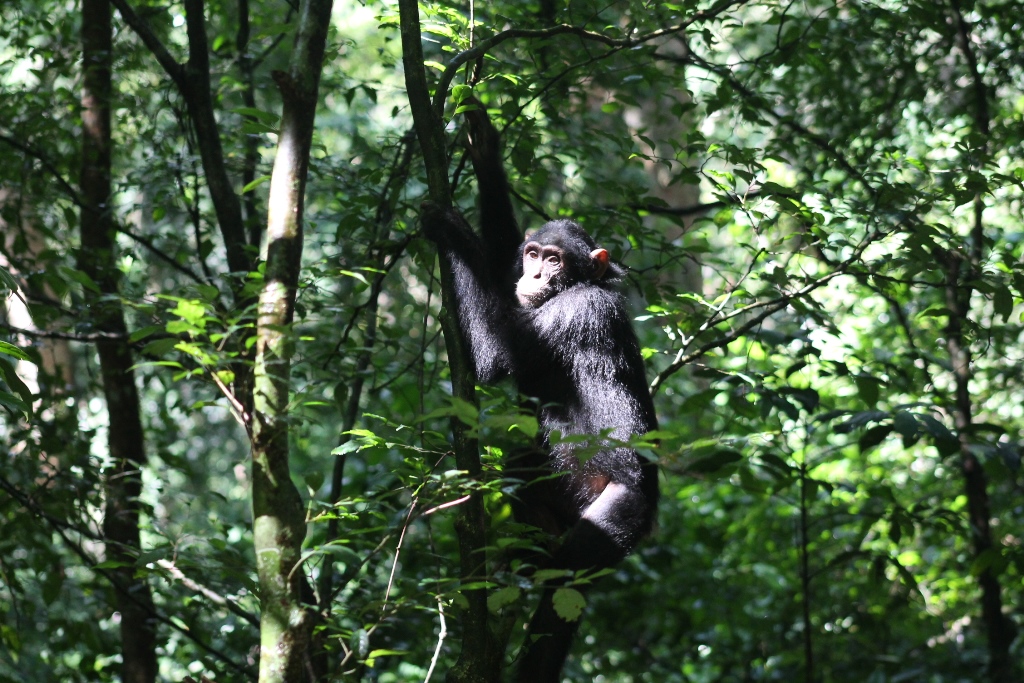
Chimpanzees are louder, faster and considerably more theatrical than gorillas, which makes tracking them a different kind of experience entirely. Kibale Forest National Park, often called the primate capital of East Africa, offers the region’s most reliable chimpanzee trekking, with treks typically running two to four hours and a good chance of hearing the community’s calls echoing through the canopy before you see them.
Uganda’s Kyambura Gorge, tucked inside Queen Elizabeth National Park, and Rwanda’s Nyungwe Forest both offer shorter alternative chimpanzee treks, useful for itineraries that are already passing through without a dedicated Kibale stop.
Like gorillas, chimpanzees also have a Habituation Experience option in Kibale: a longer, researcher-led morning with a community still becoming comfortable around people, capped at a smaller daily permit number than standard trekking.
Golden Monkey Trekking in the Virunga Bamboo Forests
Golden monkeys live almost exclusively in the bamboo zones of the Virunga volcanoes, split between Mgahinga Gorilla National Park in Uganda and Volcanoes National Park in Rwanda. They’re quicker, more acrobatic, and considerably less patient than gorillas, bouncing through the bamboo in tight, noisy troops that rarely sit still for long.
The trek itself is shorter and generally easier than gorilla trekking, which makes it a popular add-on for travelers already in the area rather than a standalone destination in its own right.
Beyond the Big Three: Uganda and Rwanda’s Other Primates
Gorillas, chimpanzees and golden monkeys get most of the attention, but both countries hold a long list of primates that show up on ordinary game drives, forest walks and even lodge grounds, no special permit required.
- Angola colobus: Nyungwe Forest’s canopy walk regularly passes troops several hundred strong, among the largest colobus groups recorded in Africa
- Black-and-white colobus: common in Kibale, Bwindi’s forest edges and several lodge gardens, instantly recognizable by its flowing white cape
- L’Hoest’s monkey: a shy, ground-dwelling forest specialist found in Bwindi, Kibale and Nyungwe
- Grey-cheeked mangabey: a noisy, far-ranging Kibale resident often heard calling before it’s spotted
- Vervet monkey and olive baboon: widespread across savanna parks in both countries, easy sightings on almost any game drive
- Galagos (bushbabies): small nocturnal primates spotted on guided night walks at several forest lodges
Comparing Uganda and Rwanda’s Primate Experiences
A quick side-by-side helps when deciding which primates fit a given trip length and fitness level.
|
Primate |
Best Location |
Country |
Typical Difficulty |
|
Mountain gorilla |
Bwindi / Mgahinga |
Uganda |
Moderate to demanding |
|
Mountain gorilla |
Volcanoes NP |
Rwanda |
Moderate |
|
Chimpanzee |
Kibale Forest |
Uganda |
Moderate |
|
Chimpanzee |
Nyungwe Forest |
Rwanda |
Moderate |
|
Golden monkey |
Mgahinga / Volcanoes NP |
Both |
Easy to moderate |
|
Angola colobus |
Nyungwe Forest |
Rwanda |
Easy |
Best Time of Year for Primate Trekking
Primate trekking runs year-round in both countries, since permits are issued daily regardless of season. That said, the dry seasons, June to September and December to February, keep forest trails firmer underfoot and are when most travelers choose to go, which also means permits sell out faster and should be booked well in advance.
The wetter months bring a real upside for anyone willing to risk the mud: thinner crowds, lower lodge rates, and forest at its greenest.
Permits, Planning and What to Expect on the Day
Every gorilla and chimpanzee trek requires a permit issued in advance by the relevant wildlife authority, Uganda Wildlife Authority (UWA) or the Rwanda Development Board, and daily numbers are strictly capped to limit pressure on the animals. Golden monkey permits are less competitive but still required.
- Minimum age for gorilla and chimpanzee trekking is generally 15 years old
- A reasonable fitness level matters more than any specific gear; a walking stick and gloves help on steep, muddy terrain
- Visitors must stay at least 7 meters from gorillas and chimpanzees, and flash photography is not permitted
- A porter, usually a small optional fee, is worth hiring on tougher Bwindi trails and directly supports the local community
- Permits should be booked several months ahead for peak season dates, since numbers are limited and demand is high