Gorilla Trekking

Gorilla Trekking in Uganda and Rwanda: The Complete Guide

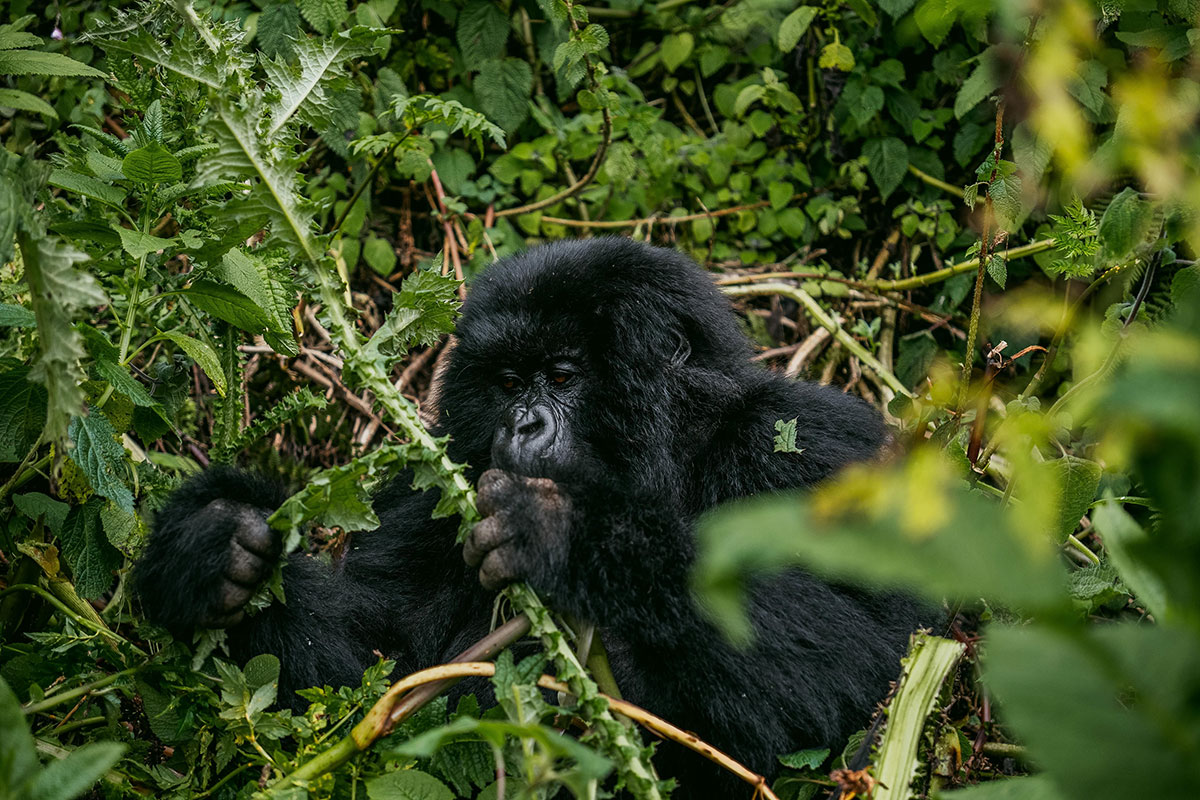
There are fewer than 1,100 mountain gorillas left on the planet, and roughly half of them live in a single stretch of forest straddling Uganda, Rwanda and the Democratic Republic of Congo. Gorilla trekking is the only way most people will ever stand near one: a guided hike through the forest to spend a strictly timed hour with a habituated family, close enough to hear them breathe and watch a two-week-old infant cling to its mother’s back.

This page covers everything you need to plan that hour properly: where to go, what it costs, how fit you need to be, and what the day itself actually involves. If you already know which country or park you want, our individual sector and itinerary pages go deeper; this one is the starting point.

Where to Go Gorilla Trekking

Mountain gorillas exist in exactly two wild populations on Earth, and three countries split access between them. Each location has a genuinely different trekking experience, not just a different flag.

Bwindi Impenetrable National Park, Uganda

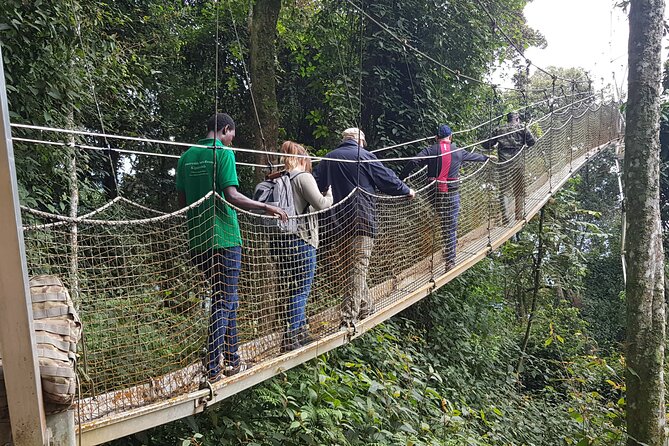
Bwindi holds roughly half the world’s mountain gorillas across four trekking sectors, Buhoma, Ruhija, Rushaga and Nkuringo, each with its own access road, lodges and assigned gorilla families. The forest is ancient and dense, true to its name, with terrain that varies from gentle in parts of Buhoma to genuinely steep around Nkuringo and Rushaga.
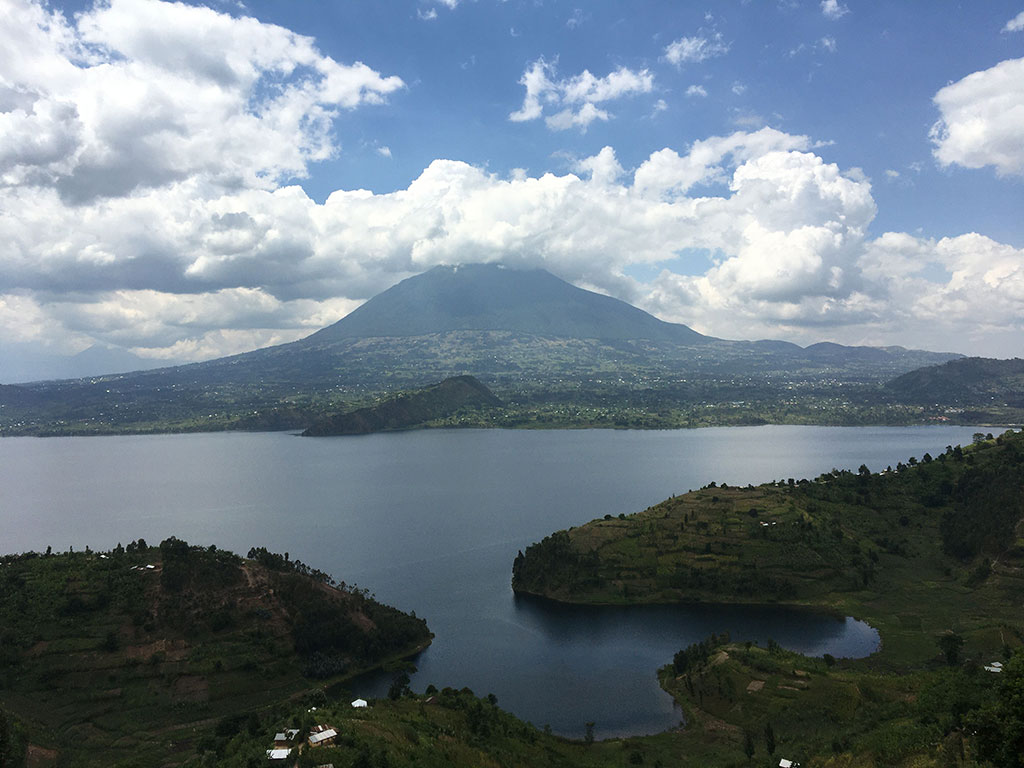
Mgahinga sits in Uganda’s far southwest corner, in the Virunga volcanoes shared with Rwanda and Congo, and is home to a single habituated gorilla family, the Nyakagezi group, which has a habit of wandering across the border into Rwanda or Congo for weeks at a time. When they’re in residence, it’s a quieter, less-visited alternative to Bwindi with golden monkey trekking available in the same park.

Rwanda’s entire gorilla population lives in Volcanoes National Park, in the same Virunga mountain range as Mgahinga. Access from Kigali is shorter than the drive to Bwindi from Entebbe, the permit costs considerably more, and several of the park’s gorilla families trek through comparatively gentler terrain than Bwindi’s steepest sectors, though this varies family to family.

Gorilla Trekking Permits: Cost and How to Book

A gorilla trekking permit is the single document that makes the whole day possible, and it’s issued per person, per date, by the relevant national authority: the Uganda Wildlife Authority for Bwindi and Mgahinga, and the Rwanda Development Board for Volcanoes National Park. Only a fixed number are issued each day, one gorilla family can host at most 8 visitors, which is what makes early booking important rather than optional.

Permits are typically booked three to six months ahead for the June-to-September and December-to-February peak seasons, though shoulder-season dates can sometimes be secured with a few weeks’ notice. The permit fee covers park entrance, the ranger-guided trek itself, and the hour with the gorillas; it does not include transport, accommodation or a porter.

How Fit Do You Need to Be?

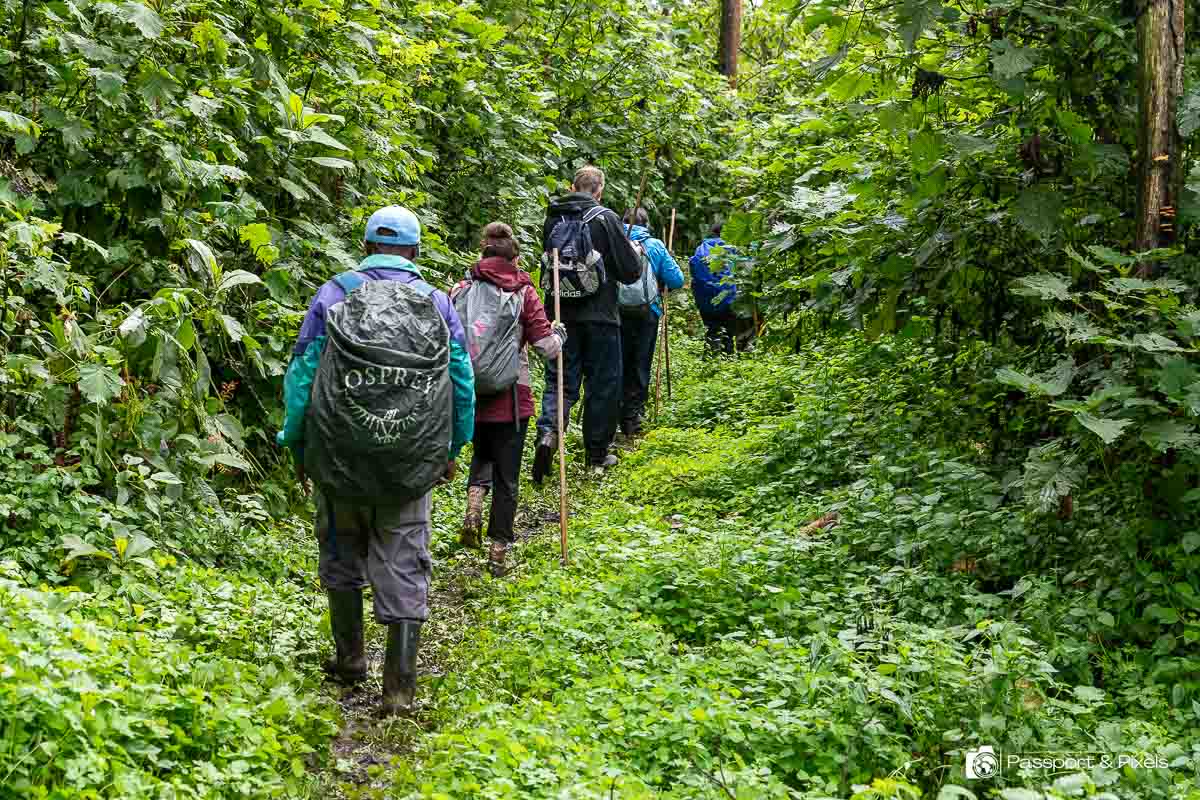
Reasonably fit, but not athletic. Most treks are manageable for anyone who walks regularly and has no significant mobility limitations, and guides set the pace to the slowest member of the group rather than rushing anyone. What matters more than raw fitness is a willingness to deal with mud, humidity and uneven footing, particularly in Bwindi’s steeper sectors.

A porter, usually $15 to $20 for the day, is worth hiring regardless of fitness level: they carry your daypack, offer a steadying hand on slippery sections, and the fee goes directly to someone from the local community. For travelers with real mobility concerns, both Uganda and Rwanda offer a sedan chair, essentially a stretcher carried by a team of porters, for a higher fee arranged in advance.

What to Pack for Your Trek

  • Waterproof hiking boots with good ankle support, broken in before the trip
  • Gardening gloves, for grabbing vegetation and stinging nettles on steep sections
  • Long-sleeved shirt and long trousers, tucked into socks or gaiters against ants and nettles
  • A lightweight rain jacket, even in the dry season
  • A daypack with rain cover, for water, snacks and a camera
  • At least 2 liters of water and some high-energy snacks
  • A camera or phone with a fast lens where possible; flash photography is prohibited
  • A walking stick, usually provided free at the trailhead if you don’t bring your own

The Gorilla Habituation Experience

Uganda offers an alternative to the standard one-hour trek: the Gorilla Habituation Experience, available only in Bwindi’s Rushaga sector, which places visitors with researchers and trackers working to habituate a still-wild family to human observation. It runs up to four hours rather than one, with a maximum of four permits issued per day, making it a genuinely different, slower, more research-oriented encounter than standard trekking, at a higher permit price to match the smaller group and longer access.