Gorilla Trekking in Uganda
Home » Gorilla Trekking » Gorilla Trekking in Uganda
Gorilla Trekking in Uganda: The Complete Guide
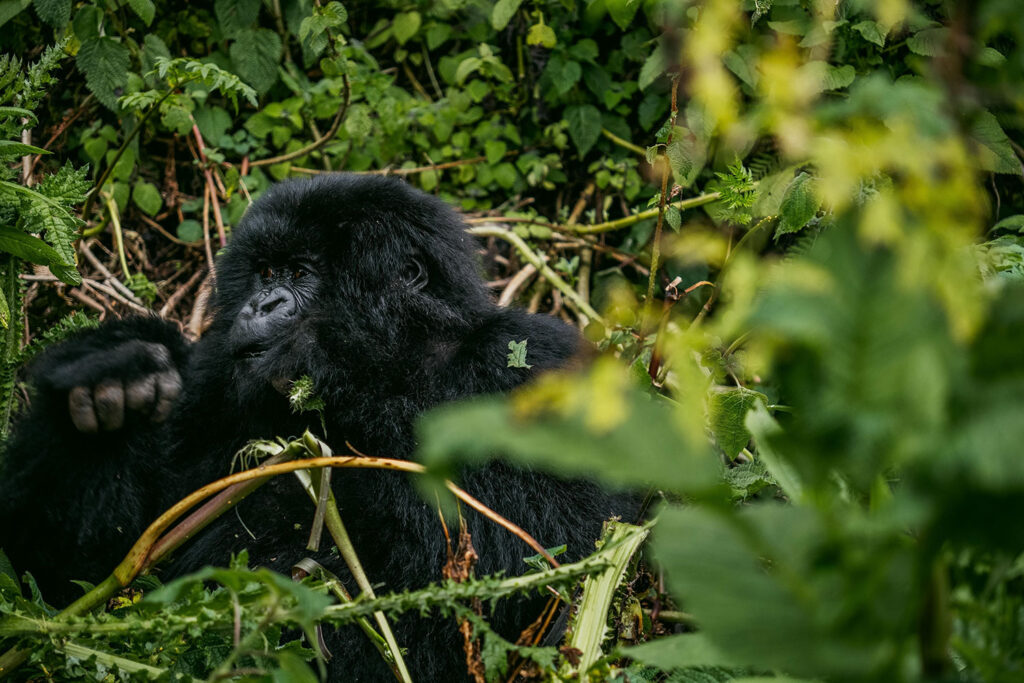
Fewer than 1,100 mountain gorillas remain on the planet, and more than half of them live in Uganda’s forests. That single fact is why gorilla trekking tops almost every list of things to do in East Africa, and why it’s worth understanding properly before you book: which park to choose, what a permit actually buys you, how hard the walk really is, and what the hour with the gorillas feels like once you’re standing in front of them.
This guide covers all of it, built specifically around Uganda rather than the wider region, since Uganda’s parks, permit system and logistics work differently enough from Rwanda’s or the Democratic Republic of Congo’s to deserve their own explanation.
Where to Go Gorilla Trekking in Uganda
Uganda’s gorilla trekking happens in two national parks, and within Bwindi, the choice of sector matters almost as much as the choice of park.
Bwindi holds the vast majority of Uganda’s habituated gorilla families, split across four separate trekking sectors that each operate their own park headquarters, booking office and set of trails. A family assigned in one sector stays in that sector; you can’t trek a Rushaga gorilla family from Buhoma, so where you stay determines which gorillas you’ll see.
Sector | Character & Trek Profile |
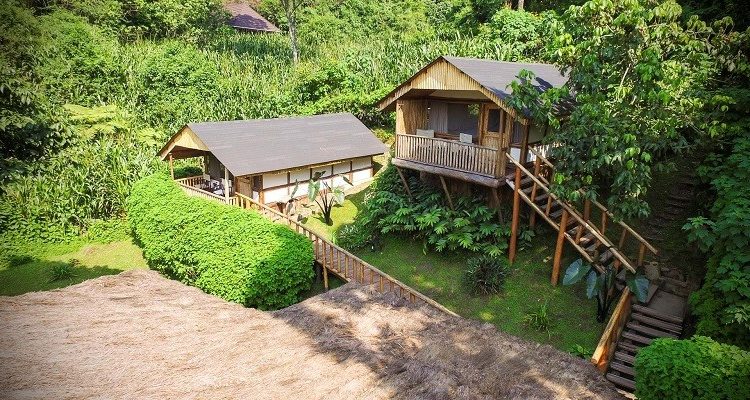
The original, most established sector, with the gentlest terrain of the four and the widest spread of lodges from budget to luxury. A reliable first choice for anyone nervous about fitness. | |
The highest-altitude sector, cooler and quieter, bordering the Mubwindi Swamp birding trail. Terrain is steeper than Buhoma’s, with fewer lodges nearby. | |
The largest number of habituated families of any sector, and the only one offering the Gorilla Habituation Experience. Terrain varies family to family, generally moderate to demanding. | |
The most physically demanding sector, set on a ridge with a steep descent into the forest and an equally steep climb back out. Rewards fitter trekkers with some of Bwindi’s best views. |
Mgahinga sits at Uganda’s southwestern tip, in the foothills of the Virunga volcanoes, and holds a single habituated family, the Nyakagezi group, which has a habit of occasionally crossing the border into Rwanda or the DRC for weeks at a time. When the family is in Uganda, Mgahinga offers a quieter, less-visited alternative to Bwindi, often combined with golden monkey trekking in the same park.
Why Uganda Is One of the Last Places on Earth to Trek Mountain Gorillas
Mountain gorillas exist in only two wild populations anywhere in the world: the Virunga Massif, shared by Uganda, Rwanda and the Democratic Republic of Congo, and the Bwindi-Sarambwe ecosystem, shared by Uganda and the DRC. There are no mountain gorillas in zoos, and there never have been, since the species doesn’t survive captivity. Seeing one at all means traveling to one of these three countries, and Uganda holds the largest single share of the population within its own borders.
That concentration is really a conservation success story. Mountain gorilla numbers were falling toward extinction as recently as the 1980s, and decades of patient habituation work, anti-poaching patrols and tourism revenue reinvested into the parks turned that decline around. Every trekking permit sold today funds the rangers, trackers and community programs that keep that recovery going.
Gorilla Trekking Permits in Uganda
A gorilla trekking permit is a single document that covers one visitor’s access to one trek on one specific date, and it’s the one part of this trip you cannot improvise. The Uganda Wildlife Authority issues a fixed number of permits per family per day, exactly matching the 8-person group limit, and demand during peak months regularly outstrips supply.
The permit fee covers the trek itself, the ranger guide and trackers, park entry for that day, and a contribution to the community programs and conservation work that fund the park’s upkeep. It does not cover transport to the park, accommodation, a porter, or tips.
Booking three to six months ahead is the realistic minimum for the June-to-September and December-to-February peak seasons. Shoulder-season dates sometimes open up with only a few weeks’ notice, but treating the permit as the first thing you confirm, before flights or lodges, avoids building a trip around a date that turns out to be sold out.
What Happens on a Gorilla Trekking Day
Every trek in every sector follows roughly the same shape, even though the terrain and timing vary.
- A 7:30am briefing at the sector’s park headquarters, where rangers cover safety rules and assign each group to a specific gorilla family based on the previous evening’s tracking reports
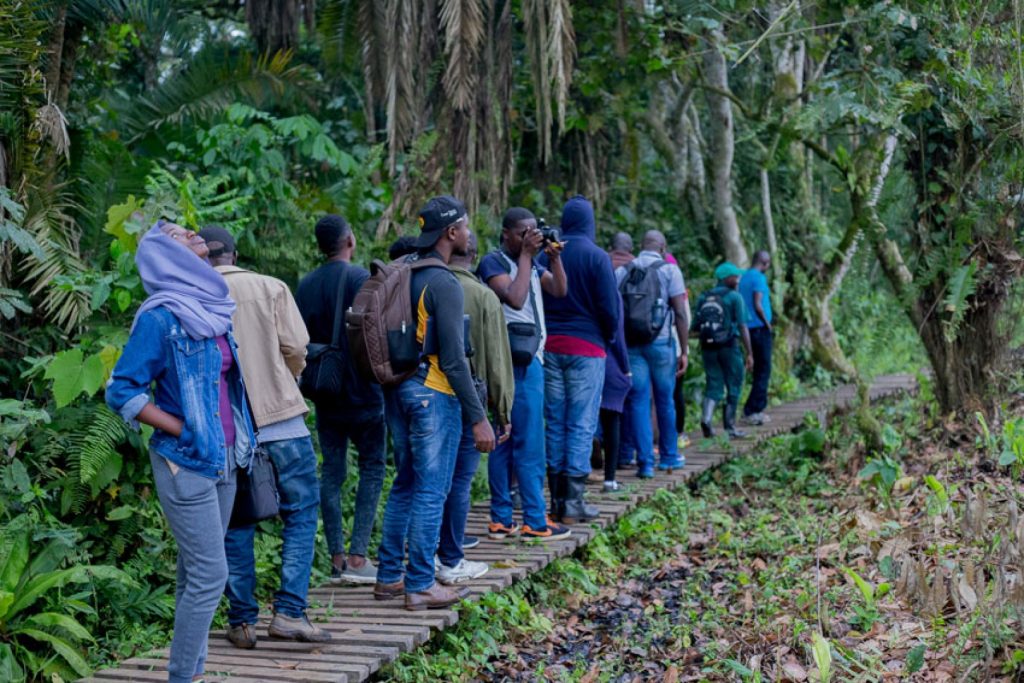
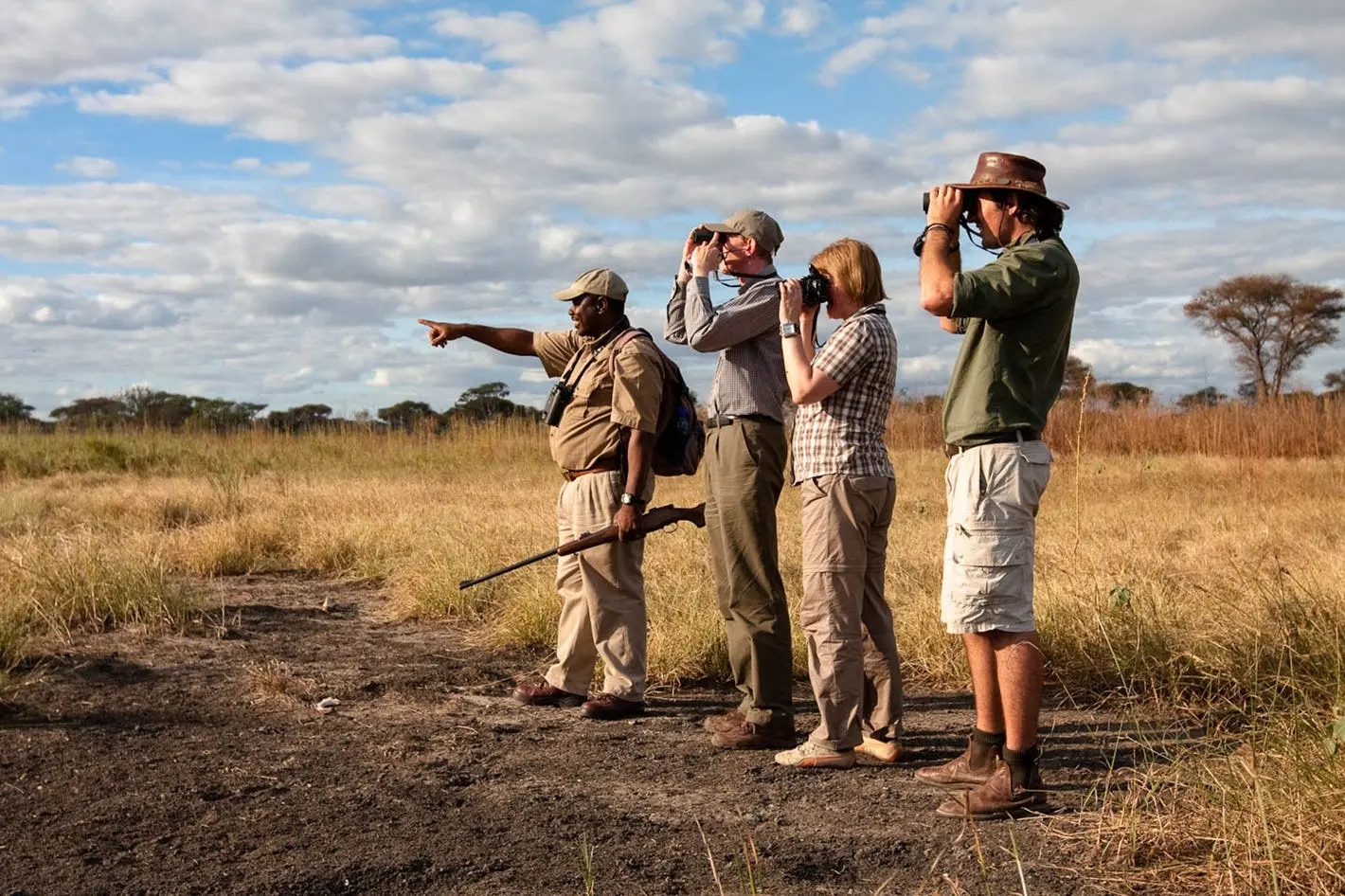
- The walk itself, led by an armed ranger guide and supported by trackers already in the forest, lasting anywhere from 30 minutes to 7 or 8 hours depending on where the family nested overnight
- A strict one-hour visit once the family is found, timed from the moment the group arrives, regardless of how long the walk in took
- The walk back out, which can take as long as the walk in, followed by a certificate presented at the park headquarters
Porters are available to hire at the trailhead, usually for a modest fee, and are worth taking even by fit trekkers; a good porter also effectively tips the local economy directly and carries a day pack over terrain that can be steep, muddy or both.
The Gorilla Habituation Experience
For travelers who want more than the standard hour, Rushaga sector offers the Gorilla Habituation Experience, a separate permit that places a much smaller group, typically four visitors, alongside researchers and trackers working to habituate a gorilla family that isn’t yet fully accustomed to tourism groups. The experience runs up to four hours with the family rather than one, at a higher permit price and with daily numbers capped well below standard trekking.
It’s a longer, quieter, more observational encounter than a standard trek, better suited to repeat visitors or anyone specifically drawn to the habituation process itself rather than a guaranteed sighting on a tighter schedule.
How Difficult Is Gorilla Trekking?
Difficulty depends far more on which family you’re assigned and where it nested than on fitness alone, but some patterns hold. Buhoma and parts of Rushaga tend toward gentler trails; Ruhija and Nkuringo are generally steeper and more physically demanding. Altitude across all of Bwindi sits between 1,160 and 2,607 meters, so even a short walk can leave visitors from lower elevations more out of breath than expected.
A reasonable baseline is the ability to walk briskly for two to three hours on uneven, sometimes muddy ground. Trekkers who are less confident on their feet can request a sedan chair, a wooden seat carried by a team of porters, arranged in advance through the park.
Best Time to Go Gorilla Trekking in Uganda
Gorilla trekking runs year-round, since permits are issued every day regardless of season, but the dry months, June to September and December to February, keep forest trails firmer underfoot and are correspondingly the busiest and hardest months to secure a last-minute permit. The wetter months bring softer, often slippery trails and a real chance of rain during the trek itself, but also thinner crowds and, for some travelers, a lush, atmospheric forest that the dry season doesn’t offer.
What to Pack for Gorilla Trekking
- Waterproof, ankle-supporting hiking boots, broken in before the trip
- Gardening gloves, useful for gripping vegetation and stinging nettles on steep sections
- A long-sleeved shirt and trousers tucked into socks or gaiters, as protection against nettles and biting ants
- A light waterproof jacket, even in the dry season
- Drinking water and a packed lunch, usually provided by your lodge
- A camera with a fast lens, since Bwindi’s forest interior is dim even at midday
Rules and Etiquette for Gorilla Trekking
Uganda Wildlife Authority rules exist to protect the gorillas as much as the visitors, since mountain gorillas share enough DNA with humans to catch many of the same respiratory illnesses. Visitors showing cold or flu symptoms are asked to stay back from that day’s trek. Once with the family, a minimum distance of 7 meters is maintained, voices stay low, flash photography is not permitted, and eating or drinking in front of the gorillas is not allowed.
How to Get to Bwindi and Mgahinga
Both parks sit in Uganda’s far southwest, roughly 8 to 9 hours by road from Kampala or Entebbe. Scheduled light aircraft connect Entebbe to several airstrips serving Bwindi’s different sectors, cutting that journey to under 90 minutes in the air plus a short road transfer, a popular option for travelers short on time or combining the trek with other parks.