
5-Day Rwanda Photography Expedition: Gorillas, Golden Monkey and Volcano Landscapes
Overview
Volcanoes National Park offers a photographer something few great ape destinations can: the primates and the landscape are the same shot. The five conical Virunga volcanoes sit directly behind the bamboo and montane forest where the gorillas and golden monkeys live, and this itinerary sets aside dedicated time for the volcanoes themselves, not just the wildlife in front of them.
Rwanda also offers something Uganda doesn’t: an official gorilla photographic permit with a specialized guide and extended time, a genuine option for photographers who want more than the standard hour.
The full itinerary
The dry seasons, June to September and December to February, make forest trails easier and generally offer clearer volcano visibility for landscape shoots. The wetter months bring dramatic cloud formations around the peaks, which some landscape photographers actively prefer over a plain blue sky.
The drive from Kigali to Musanze takes around two to three hours. With good visibility, the late afternoon often offers the clearest view of the Virunga chain, five volcanic cones including Karisimbi, Rwanda’s highest peak, worth scouting from the lodge grounds or a nearby viewpoint before the trek begins.
Briefing at Kinigi park headquarters runs early. Rwanda’s Volcanoes National Park offers an official photographic gorilla permit, priced above the standard permit, that pairs a small group with a guide specifically briefed on positioning for light and extends time with the family beyond the standard hour, worth requesting when booking for photographers prioritizing the shot over group size.
Golden monkey trekking moves through dense bamboo forest at a different rhythm than the gorilla trek, fast-moving, quick light changes as the canopy opens and closes overhead, and a troop that rarely holds still. A faster shutter speed and a lighter lens setup than Day 2’s serve this session better.
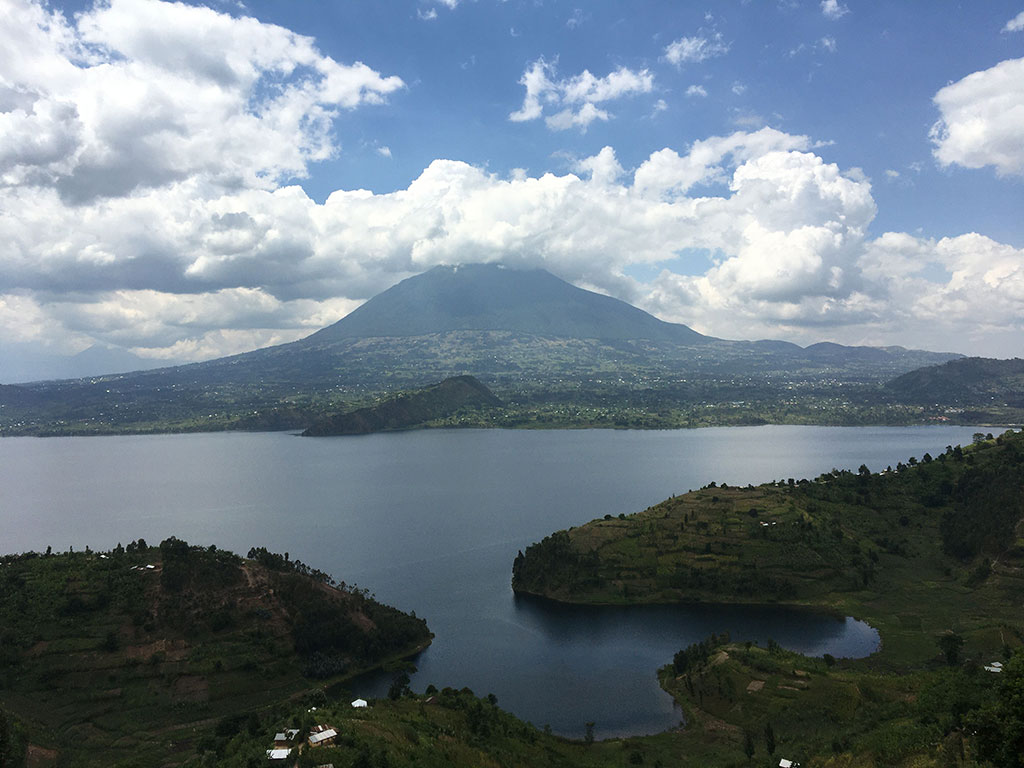
A pre-dawn departure to the Twin Lakes, Burera and Ruhondo, catches the volcanoes reflected in still water before the wind picks up later in the morning, a shot rarely achievable past mid-morning. The rest of the day stays open for the Musanze Caves or simply processing the trip’s images before the transfer back.
The drive back to Kigali takes around two to three hours, timed to connect with an afternoon or evening international departure.