
Kidepo Valley National Park
Uganda’s Most Remote and Wild National Park
Far in the northeastern corner of Uganda, where the country meets South Sudan and Kenya, lies a park that few visitors ever reach and none forget. Kidepo Valley National Park is a vast bowl of golden savannah ringed by rugged mountains, with rocky outcrops rising from the plains and seasonal rivers lined with tall borassus palms. There are no queues of vehicles here. You can drive for hours and meet only wildlife.
Covering around 1,442 square kilometres of the semi-arid Karamoja region, Kidepo protects a landscape and a set of animals found nowhere else in Uganda. It is home to about 77 mammal species and roughly 475 bird species, including cheetahs, ostriches, bat-eared foxes, kudu and other dry-country animals that you will not see in the parks of the south and west. Lions rest on rock kopjes, elephants cross the valley floor, and buffalo gather in herds that can number in the thousands.
A Valley on the Edge of Uganda
Long before it was a protected area, the land around the Kidepo and Narus valleys was used by the Dodoth, a pastoralist group of the Karamojong people, who grazed their cattle across the plains, and by the Ik, a small community of farmers and hunters. The name Kidepo is often said to come from a local word meaning “to pick up”, linked to people gathering the fruits of the borassus palms that line the Kidepo River.
In 1958, the British colonial government gazetted the area as a game reserve, aiming to protect wildlife from hunting and to control the clearing of bush for tsetse fly control. The people who lived and hunted there were moved out, a decision that brought great hardship, especially to the Ik, who lost their hunting grounds and suffered famine. This history is still remembered and is an important part of understanding the park today.
In 1962, the year of Uganda’s independence, the reserve became Kidepo Valley National Park. For decades it remained little known, cut off by distance, poor roads and periods of insecurity in northern Uganda and Karamoja. As peace returned and roads improved, travellers began to rediscover it, and it has since been named among the best wilderness parks in Africa by international travel media.
Its Valleys and Landscapes
Kidepo is made up of two main valley systems, separated by low hills and surrounded by mountains. Knowing them helps you plan your time.
The Narus Valley, in the southwest of the park, holds water for most of the year, which makes it the main game-viewing area. Its rolling grassland, swamps and rocky outcrops attract buffaloes, elephants, zebras, giraffes and antelope, along with the lions and other predators that follow them. Most game drives and lodges are based here.
Apoka, overlooking the Narus Valley, is the park’s headquarters and tourism centre. Here you will find the Uganda Wildlife Authority offices, simple bandas and a nearby luxury lodge. Wildlife often wanders past, and the views from the hill are superb.
The Kidepo Valley, to the northeast, is drier and more open. For much of the year the Kidepo River is a wide bed of white sand, lined with borassus palms. Wildlife is thinner than in the Narus Valley, but the scenery is spectacular, and this is the best area for ostriches, secretary birds and other dry-country species.
At the far northern end of the Kidepo Valley, near the South Sudan border, lie the Kanangorok hot springs. They are a natural turning point for a drive through the valley, with views across the border to the mountains beyond.
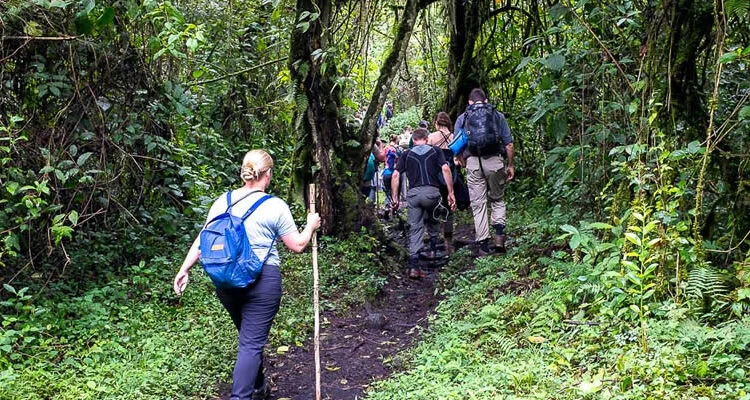
Rising to about 2,750 metres on the park’s southern boundary, Mount Morungole is the highest point in the area and the home of the Ik people. A guided hike to their villages is one of Kidepo’s most memorable experiences.
The Lomej Hills, a short drive from Apoka, are good for walks, birding and mountain reedbuck. The Namamukweny Valley in the northwest is known for its birdlife, including species rarely seen elsewhere in the park.
Things to Do in Kidepo Valley National Park
Kidepo offers classic safari activities in a setting of real solitude
Kidepo Valley and Kanangorok Hot Springs
A longer drive leads north into the Kidepo Valley, across the sand bed of the Kidepo River and through groves of borassus palms, to the Kanangorok hot springs near the South Sudan border. Wildlife is sparser, but this is the place to look for ostriches, secretary birds and Kori bustards, and the wide, empty landscape is unforgettable.
Photography Safaris
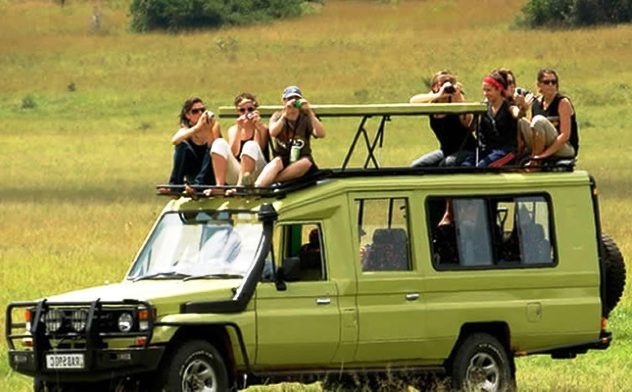
Dramatic mountain backdrops, lions on kopjes, buffalo herds raising dust and the absence of other vehicles make Kidepo one of the best parks in Uganda for wildlife and landscape photography.
Guided Nature Walks
Walking with an armed ranger lets you experience the bush on foot. Short walks around Apoka and along the Narus Valley bring you close to zebras, antelope and birds, while longer walks lead to the Lomej Hills or along the Kidepo River.
Best Time to Visit The Park
Kidepo is open year-round. It has a semi-arid climate with one main rainy season, and it is hot, with daytime temperatures often above 30°C and sometimes approaching 40°C in the hottest months. The main difference between seasons is rainfall.
September – November, Rains ease and the grass begins to dry; wildlife returns to the Narus Valley; roads improving; pleasant temperatures.
December – March,Best overall wildlife viewing; animals gather around the last water; very hot, dry and dusty; huge buffalo herds.
April– May,Heaviest rains; green landscapes and good birding; some tracks muddy and the Kidepo Valley may be hard to reach.
June – August, Showers with dry spells; fewer visitors; wildlife spreads out across the park and tall grass can hide animals.
Travel Tips from Our Guides
• Pack for heat and dust: Wear light, neutral-coloured clothing, a wide-brimmed hat, sunglasses and sunscreen. A scarf or buff helps on dusty drives.
• Bring warm layers: Early mornings and nights can be surprisingly cool, especially in the dry season.
• Bring binoculars and a zoom lens: They make a big difference for cheetahs, raptors and wildlife across the wide valley.
How to Get to Kidepo Valley National Park.
By Road,Kidepo is the furthest park from Kampala. The most common route runs north through Gulu and Kitgum, a journey of roughly 570 km that takes around ten hours.
By Air,Scheduled and charter flights operate from Entebbe International Airport and Kajjansi airfield to the Kidepo airstrip inside the park.Flying reduces two days on the road to around two hours, which makes Kidepo practical even on shorter trips
Culture and Community(The People of Karamoja)
Kidepo lies in Karamoja, one of the most culturally distinctive regions of Uganda. Meeting its people gives your safari a human dimension that many travellers remember long after the wildlife photos have faded.
The Karamojong
The Karamojong are semi-nomadic pastoralists whose lives revolve around cattle, which provide milk, blood, wealth and status. They are known for their beadwork, colourful blankets, body decoration and energetic dances. The Dodoth are the Karamojong group living closest to Kidepo.
The Ik
The Ik are a small community of a few thousand people who live in the mountains on the edge of the park. They speak their own language and have traditions quite different from their neighbours. Once hunters and gatherers in the Kidepo area, they now farm the steep slopes of Morungole and keep bees.
Manyattas and Cattle Culture
A manyatta is a cluster of thatched huts ringed by thorn fences, built to protect families and livestock. Visiting one, you may see cattle kraals, granaries, grinding stones and traditional crafts, and hear stories of cattle raids, marriage customs and life in a harsh climate.
Frequently Asked Questions About Kidepo Valley National Park
Flying takes about two hours and is best for shorter trips. Driving takes around two days but lets you see northern or eastern Uganda and combine Kidepo with Murchison Falls or Sipi Falls.
It lies in the Karamoja region of northeastern Uganda, in Kaabong District, on the border with South Sudan and close to Kenya. It is roughly 570–700 km from Kampala, depending on the route.
Yes. The park is a well-established tourism destination and security in the region has improved greatly. As with any remote area, travel with an experienced operator, follow your guide’s instructions and check current travel advice before your trip.
Yes. The two are at opposite ends of Uganda, so the easiest way is to fly between them via Entebbe. With more time, you can link them by road through Murchison Falls, Kibale and Queen Elizabeth.
It is best known for its remote, mountain-ringed wilderness, huge buffalo herds, lions on rock kopjes, cheetahs, ostriches and other dry-country species found nowhere else in Uganda, and the culture of the Karamojong and Ik people.